
 Speckled troutInshore · year-round
 ScallopsJul to Sep
 Ducksmid-Nov to Jan
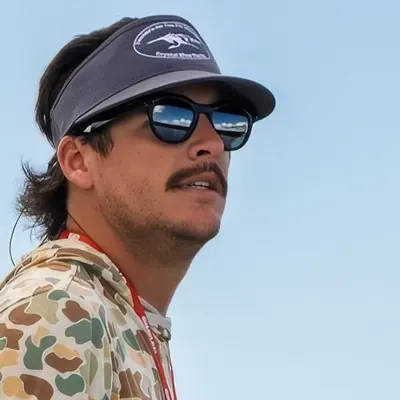 By Capt. Tanner Martin
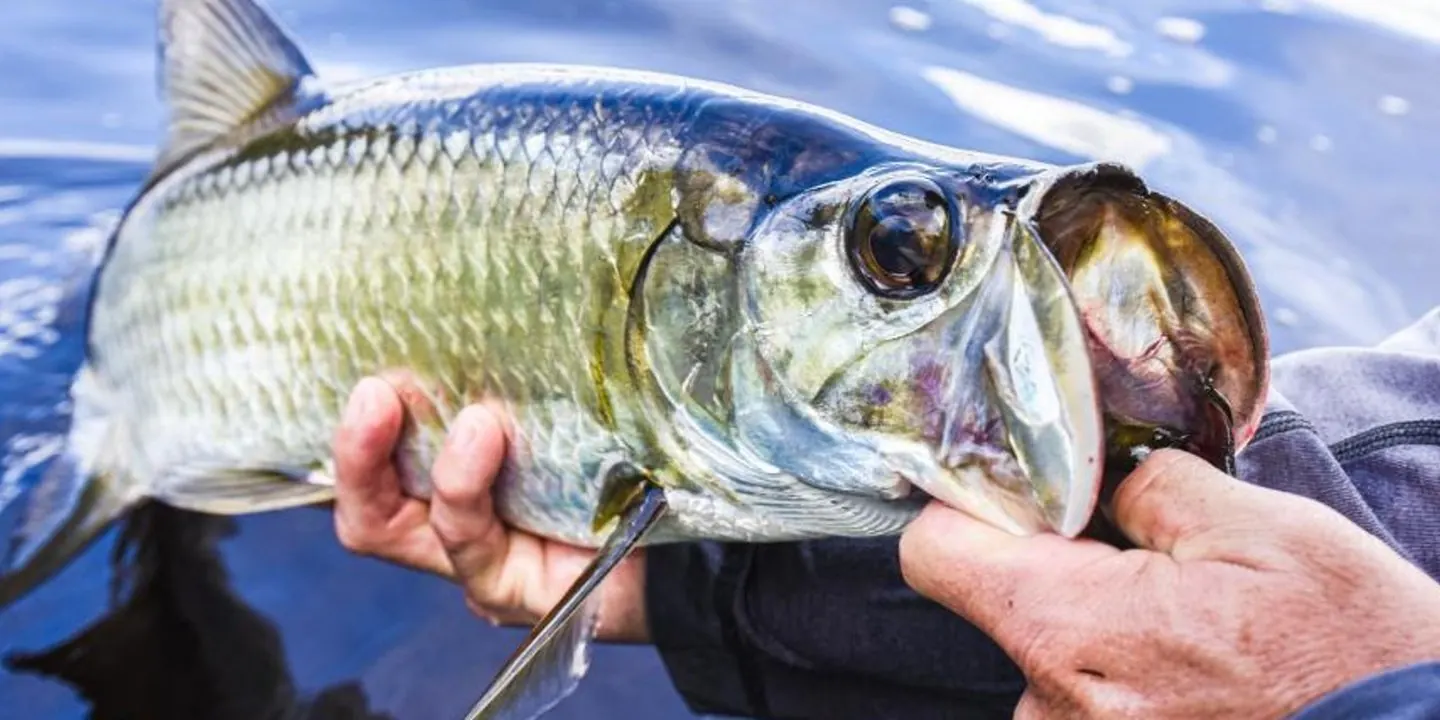
Tarpon are not resident fish on most of the Gulf coast. They arrive in the spring as the water warms past the low 70s, push north along the beaches and flats through early summer, spawn offshore, and scatter. Where you fish decides when your season is, so a guide in Islamorada and a guide in Homosassa are talking about different months when they say “tarpon season.”
Florida tarpon season by region
When the migration arrives
- Florida Keys
- Mid-March into July in the Upper and Middle Keys; the Lower Keys run from May to late July. Key West also holds winter fish from January through March.
- Everglades and Ten Thousand Islands
- March through July on the outside beaches and in the backcountry rivers.
- Boca Grande
- May and June. The pass fishery, big numbers of fish in deep water, mostly bait and jigs.
- Tampa Bay and the beaches
- May through July along the beaches and bay mouths.
- Homosassa and Crystal River
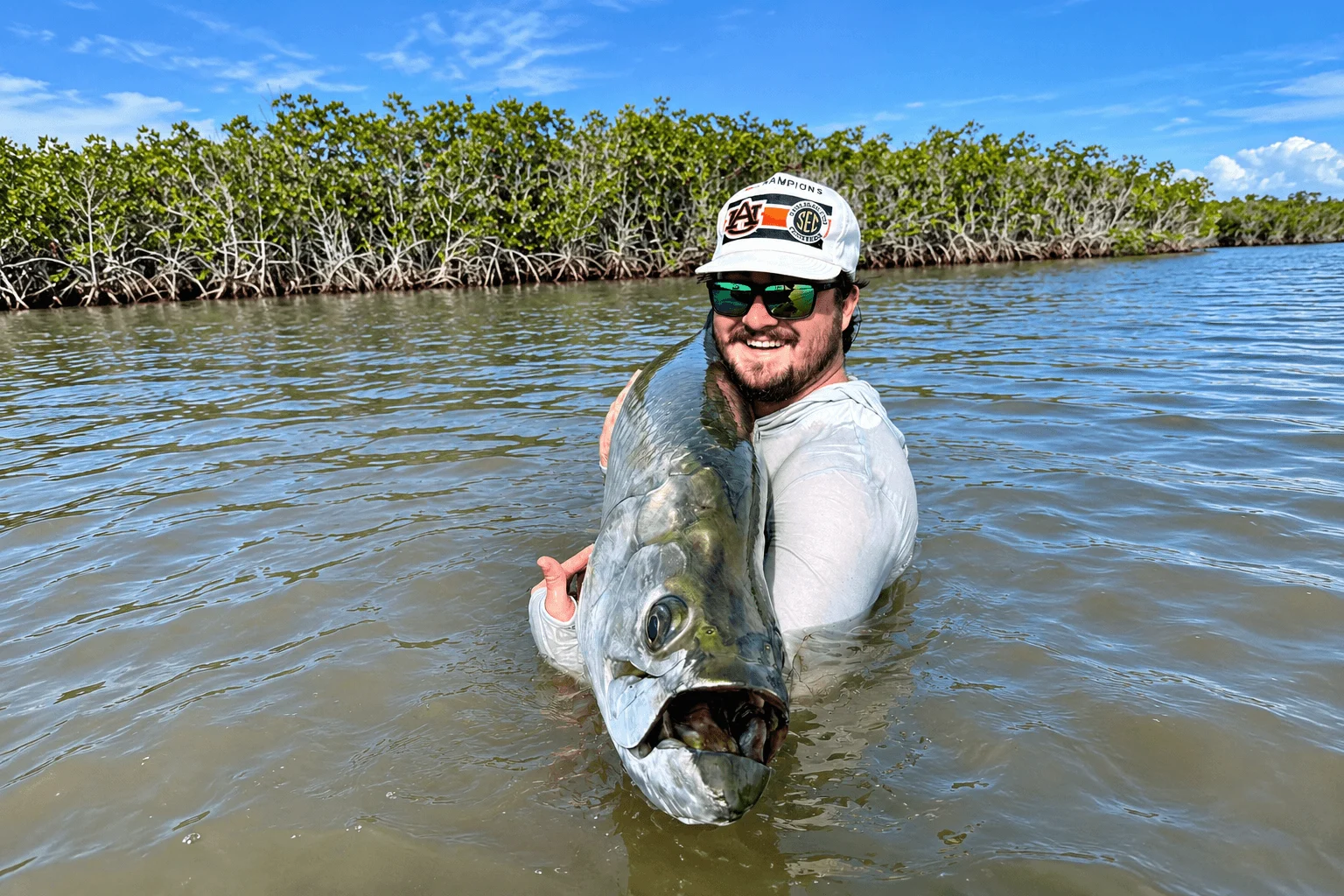
- Mid-April through July. The fish arrive on the shallow outside flats, and May and June are the peak. This is our tarpon charter.
- Panhandle
- June into August, the last stop on the migration.
Those windows shift a week or two with the weather. A warm spring brings fish early; a cold front in April pushes them back off the flats for a few days. The fishing reports say what is happening on our water in real time.
Florida tarpon regulations
Tarpon are a catch-and-release fishery in Florida. The rules that matter on a charter:
- Catch and release only. The one exception is an angler holding a tarpon tag who is pursuing a state or world record. One tag per person per year, sold through FWC.
- Fish over 40 inches stay in the water. You can lean over the gunwale for the photo, but the fish does not come aboard. That rule is the reason big tarpon survive the fight.
- Hook and line only. No snagging, snatch hooking or spearing, and no multiple hooks fished with natural bait.
- No size limit and no season. You can target them any month they are around.
- Source: FWC tarpon regulations
Why Homosassa
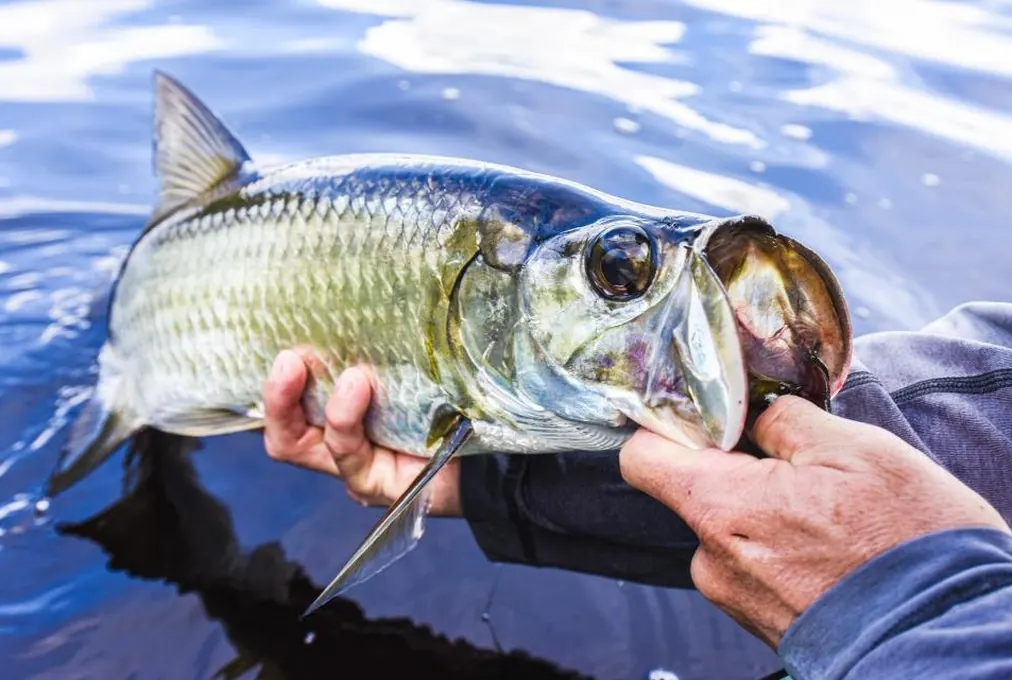
Most of the Florida tarpon fishery is deep water or beaches: passes, bridges, the edge of the surf. Homosassa is different. The fish come up onto wide, hard-bottom flats in five to eight feet of clear spring-fed water, and they are big. For decades the flats off the Homosassa River produced the largest fly-rod tarpon in the world. Billy Pate’s 188-pound fish on 16-pound tippet came from here, and in May 2001 Jim Holland Jr. landed a 202.5-pound tarpon on fly off Homosassa, still the largest fly-caught tarpon on record.
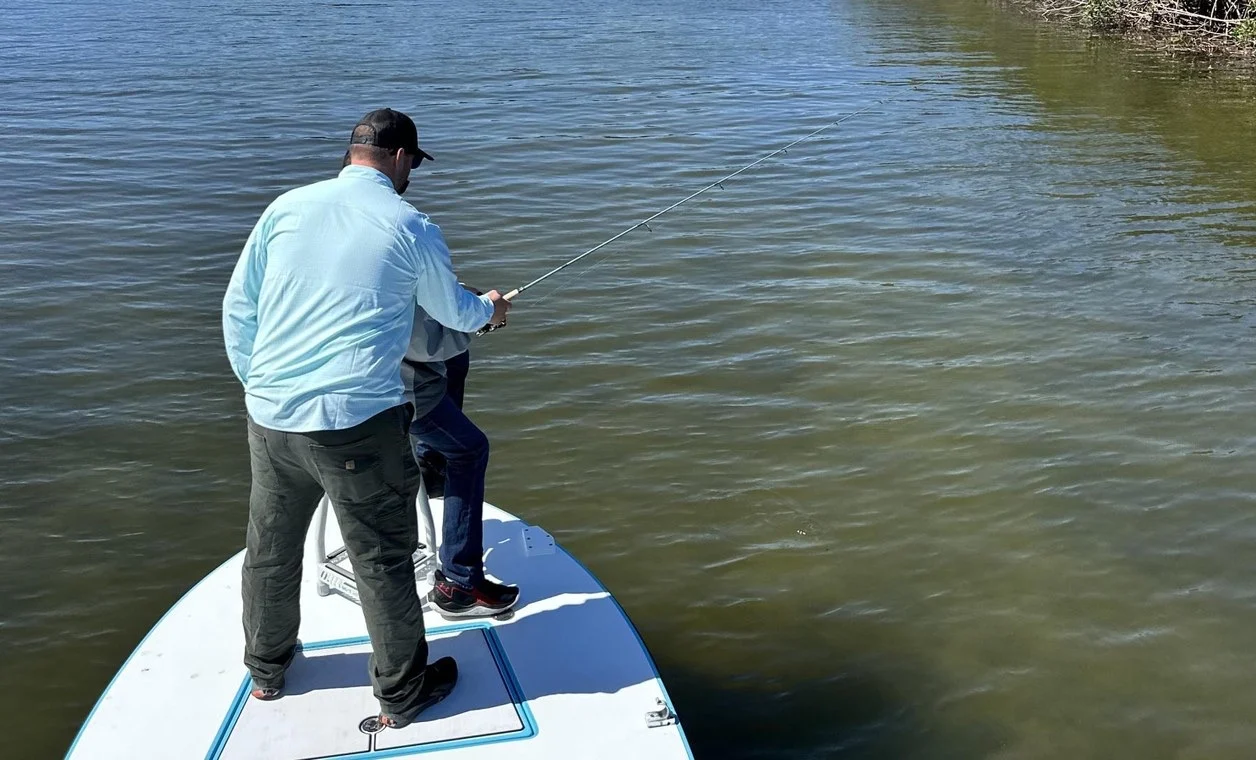
Fish that size are rare anywhere. What is not rare here is the sight fishing. On a calm May morning you can see strings of 100-pound fish rolling and daisy-chaining a hundred yards off the bow. There is no blind casting at Homosassa. Tanner stakes the skiff on a migration lane, everyone watches the water, and when a string turns toward the boat the angler gets one or two shots.
How we fish it
- Boat: The 18-foot Hells Bay Professional. Shallow draft, quiet, and poles into water a bay boat cannot reach.
- Tackle: Fly or spin, your call. Fly anglers throw 11 and 12-weights with 60 to 80-pound shock tippet. Spin anglers fish live bait or swimbaits on 50-pound leader.
- Trip length: Eight hours, because tarpon fishing is waiting on the right fish on the right tide. One or two anglers. $900 per boat.
- Launch: MacRae’s of Homosassa, at the mouth of the Homosassa River.
- Best weeks: Mid-May through mid-June, on calm mornings with a rising tide.
Fish the Homosassa migration
Tarpon dates in May and June book six months out. Check the calendar and hold yours with a $100 deposit.
First tarpon? Read this
Tarpon are the hardest fish on this coast to hook and the hardest to land. A first-timer on fly should expect to feed a few fish before one eats, and to lose some of those to a thrown hook on the jump. That is the fishery. A spin angler with a live bait has better odds of a hookup on the first day. Either way, if you want numbers and a sure thing, book the inshore trip and come back for tarpon when you have a week to give it. If you want the shot at a fish of a lifetime, this is it.
After the migration
Juvenile tarpon, 10 to 40 pounds, stay in the backcountry creeks and the Ozello islands into the fall, and we fish them on 8-weights on the fly and light tackle trip. It is a different game from the flats, closer quarters and more hookups, and a good way to learn tarpon before you commit to a May date.
Tight lines,
Capt. Tanner Martin
Fish this guide
The trips that match tarpon season
 Homosassa Tarpon8 hours on the migration lanes, fly or spin. 1 or 2 anglers.$900 • See trip ›
 Backcountry Fly & Light TackleSight-cast the flats from the Hells Bay. 1 or 2 anglers.From $600 • See trip ›